
 Buy & Sell
 All EV Sales
 Explore
 Account
 Back to News
 The Global EV Landscape Accelerates Into a Pivotal Phase
The electric vehicle (EV) ecosystem is entering a transformative period marked by an unprecedented convergence of new models, market growth, and innovative technologies. The latest array of news stories points to an industry evolving far beyond early-adopter enthusiasm into one characterized by intense competition, advanced design, and expanding accessibility. From new model launches to local infrastructure improvements, the global shift toward electric mobility continues to gain pace.
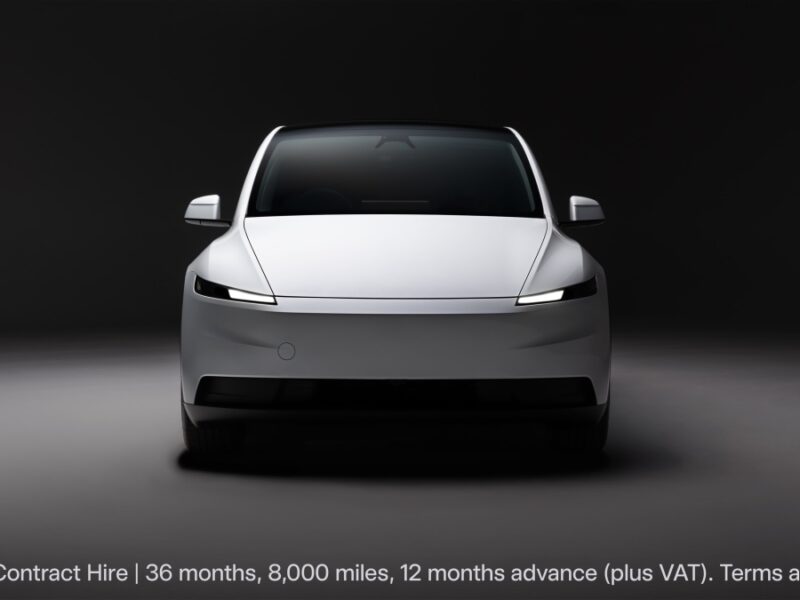
Tesla Repositions Its Strategy With an Affordable Model Y Variant
Tesla’s introduction of a lower-priced Model Y variant in the United Kingdom signals a strategic recalibration aimed at expanding the brand’s accessibility. As the automaker faces growing competition from value-oriented Chinese manufacturers, offering a more affordable version of its bestselling SUV could prove essential to retaining dominance in key right-hand drive markets. The move might also foreshadow an Australian release, which could substantially broaden Tesla’s reach in one of the most rapidly electrifying regions.
While Tesla remains a significant player, its grip on the market is no longer unchallenged. The dynamic is shifting as new brands redefine what consumers expect from an EV. The release of this model demonstrates Tesla’s responsiveness to global pricing pressures and its desire to defend market share in the mid-tier segment.
BYD’s Denza D9 Approved in Australia: A New Era for Electric People Movers
BYD’s premium sub-brand, Denza, has scored a crucial milestone with its D9 people mover now cleared for sale in Australia. This development reflects BYD’s capacity to compete not only on affordability but also on refinement and comfort. The D9’s approval indicates the brand’s intention to diversify its presence beyond compact crossovers, targeting families and businesses seeking fully electric multi-passenger transport.
As the Australian market welcomes more Chinese EV manufacturers, the Denza D9 exemplifies how evolving regulatory openness and consumer demand for advanced electrified mobility are reshaping the automotive landscape. This new segment entry expands options and underscores that “premium” EVs need no longer come with luxury-brand price tags.
Australian EV Sales Surge as Local Brands Rise
Australia’s EV adoption continues to soar, up roughly 10% year-on-year as of 2025. While Tesla’s deliveries have dipped, strong performances from BYD, Kia, and several Chinese newcomers have more than offset that decline. This steady growth confirms that consumers are no longer confined to just a few recognizable brands when choosing electric vehicles. Instead, they’re guided by price, performance, and practicality.
The increasing competitiveness of the Australian EV market suggests that the country’s charging infrastructure and policy initiatives are beginning to align with consumer expectations. Importantly, local response to mid-market pricing and design diversity points to a maturing marketplace for electrified transport.
Renault 5 E-Tech Dominates Europe — But Australia Waits
One of Europe’s most talked-about EVs, the Renault 5 E-Tech, has rapidly captured the small car market, offering nostalgic design blended with modern electric performance. However, for Australian drivers, the celebrated R5 remains out of reach for the foreseeable future. Renowned for its balance of retro appeal and progressive engineering, it has carved out a dominant position in continental Europe.
The model’s success underscores a massive shift toward compact EVs that prioritize urban practicality. Despite its popularity, Renault appears focused on markets with stronger policy support and larger-scale infrastructure, leaving Australian enthusiasts awaiting future regional expansions.
Innovation at Home: Students and Engineers Push New Boundaries
Beyond commercial launches, innovation is also flourishing in academic and engineering circles. A new wave of Australian engineering students is showcasing their skills in electric open-wheeler race cars, highlighting how the educational sector is helping build talent pipelines for the EV future. Competitions structured around efficiency, performance, and real-world engineering practicality point to a coming generation ready to advance sustainable vehicle technologies beyond traditional consumer markets.
Anker’s Ultra-Thin Battery Redefines Residential Energy Integration
A quieter revolution is unfolding in home energy systems. EV owners seeking to optimize solar usage and charging convenience are gravitating toward products like Anker’s ultra-thin SOLIX X1 battery system. Designed for compact spaces yet capable of supporting full EV charging needs, this technology represents a vital bridge between electrified transportation and decentralized energy management.
Improved energy storage not only promotes cost-efficiency but also enhances the long-term stability of renewable-driven households. The SOLIX X1’s integration-ready design exemplifies how electric mobility solutions extend beyond cars, forming the core of a more resilient, distributed energy ecosystem.
Local Infrastructure Gains: Kerbside Charging Expansion
For urban residents without access to private garages, charging convenience is often the limiting factor for EV adoption. Addressing this constraint, hundreds of new kerbside chargers have been integrated into the Chargefox network through partnerships with EVX. This development represents a major stride in democratizing access to reliable public charging, further breaking down barriers to ownership for apartment dwellers and city drivers.
Expanded infrastructure will be pivotal to sustaining the current growth trajectory. It highlights a crucial aspect of transition — that EV uptake depends not only on car availability and affordability but also on practical charging accessibility.
Range Reality: Testing Puts EV Marketing Claims to the Test
A recent round of real-world range assessments found several popular models — including the Tesla Model Y, Kia EV3, and MG variants — falling short of their advertised driving distances. These findings underscore a persistent challenge in the industry: balancing laboratory benchmarks with practical range figures that reflect actual driving conditions. While range discrepancies are expected, transparent communication and improved testing alignment will be vital to maintaining consumer trust in an increasingly data-savvy market.
A Market Entering Its Maturity Phase
The overarching takeaway from these developments is clear: electric mobility is no longer the future — it’s the present in rapid evolution. From affordable Teslas and new-market BYDs to next-gen home batteries and community chargers, the narrative of electric vehicles has expanded beyond innovation alone. It’s now about accessibility, reliability, and integration into daily life. As momentum builds across continents, the EV transition is becoming not just an environmental choice but a pragmatic one for drivers and nations alike.
All EV Sales Research Team
12/6/2025