
 Buy & Sell
 All EV Sales
 Explore
 Account
 Back to News
 When temperatures plunge, electric vehicles (EVs) face challenges that differ from those encountered by gasoline-powered cars. While both types of vehicles experience reduced performance in frigid conditions, EVs come with some unique considerations—particularly in how cold weather affects range, charging, and efficiency. Yet, with proper understanding and preparation, winter driving doesn’t have to be a major obstacle for EV owners.
Why Range Drops When It’s Cold
One of the first things EV drivers notice during winter is a dip in range. Batteries are sensitive to temperature, and when it’s cold, the chemical processes that produce electricity slow down. As a result, the battery’s output is less efficient. Cold air also increases aerodynamic drag, and using systems like cabin heating, defrosters, and seat warmers consumes additional power. Together, these factors can noticeably reduce how far a car can go on a single charge.
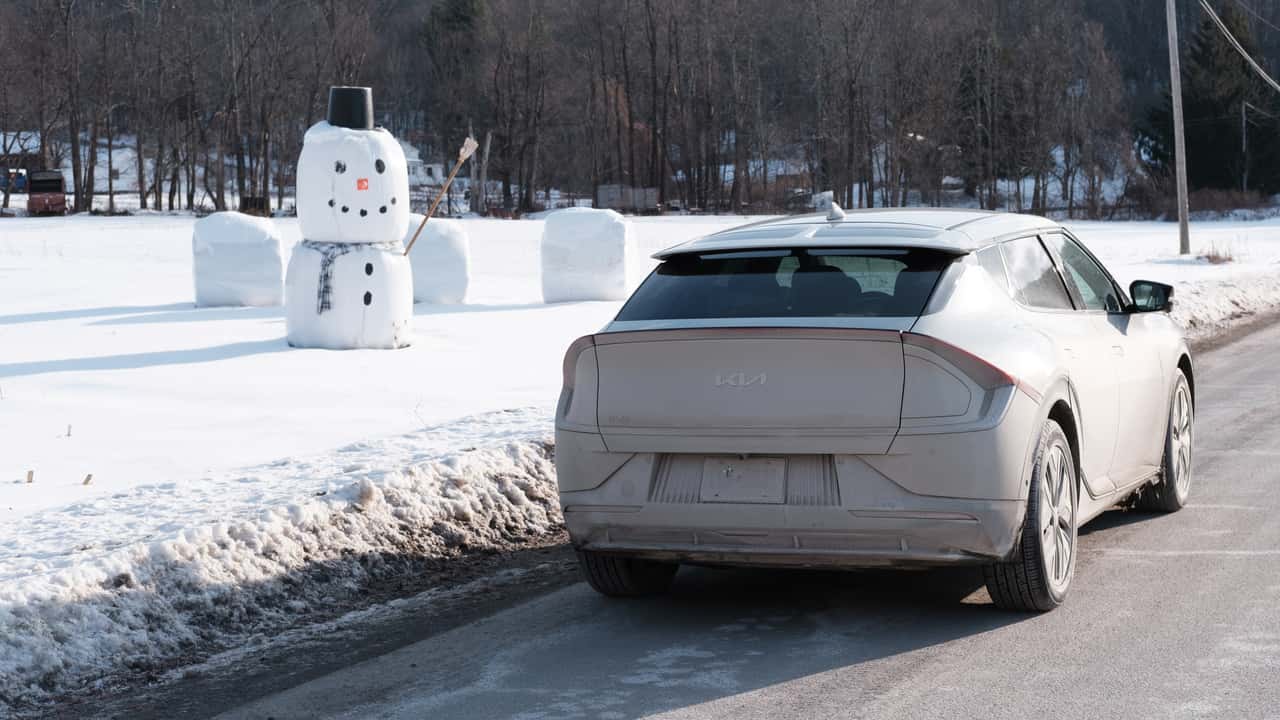
Drivers of models like the Kia EV6, for instance, may observe that their expected range drops from nearly 300 miles in moderate weather to just over 220 miles when temperatures dip below freezing. This can be an unpleasant surprise for new EV owners, but most vehicles do provide adjusted range estimates based on temperature and driving conditions. The important takeaway is that reduced range is normal, not a sign of malfunction.
Charging Habits in the Cold
Cold also affects how an EV charges. Lithium-ion batteries prefer moderate temperatures—charging a very cold battery is slower and less efficient. Many EVs incorporate systems to precondition the battery before fast charging, warming it up to the optimal temperature to prevent damage and speed up charging times. It’s a good idea to enable this feature, especially on road trips or before heading to a DC fast charger in winter.
While many experts recommend charging only up to 80% for daily use to reduce battery wear, there’s no harm in charging to 100% occasionally, particularly before long drives during cold months. What matters most is not making it a constant habit, as consistently topping off the battery can increase chemical stress over time.
Keep It Plugged In Overnight
Another helpful winter strategy is to leave your EV plugged in when parked, especially overnight or during long freezes. Modern electric cars often include thermal management systems that regulate battery temperature even when the vehicle is off. Keeping the car plugged in lets these systems draw power from the grid rather than the battery itself, preserving range and extending battery life. Additionally, many EVs allow drivers to remotely preheat the cabin while the car is still plugged in, which keeps passengers warm without draining the driving range.
Use Heat Wisely
Heating the interior of an EV can be one of the largest drains on power. Unlike gas cars, which use excess engine heat to warm the cabin, EVs must generate heat electrically. That energy comes directly from the battery, reducing range further. To minimize this drain, rely more on heated seats and steering wheels—they use considerably less energy while keeping occupants comfortable. If your car has a heat pump, it will help improve efficiency by using ambient air to warm the interior instead of raw electric resistance heating.
Don’t Forget Driving Modes and Maintenance
Many electric cars include selectable driving modes like Eco or Snow. Eco mode reduces power output and may deactivate secondary motors to extend range, while Snow mode adjusts throttle response and traction control to improve stability on slippery roads. Using these modes can make a big difference in efficiency and safety during winter.
Basic winter car care also matters. Make sure cameras, sensors, and radar units are free from snow or salt, since modern safety and driver assistance features rely on them. Keeping your EV clean helps protect against corrosion from salted roads just as it does for gasoline-powered vehicles. Some EVs even offer a “Car Wash Mode” to prevent automatic doors or charge ports from opening due to pressure or moisture.
Why EVs Excel in Snow
One of the lesser-known advantages of EVs in winter is traction. Electric motors deliver instant torque and can respond precisely to throttle inputs, making them exceptional at managing grip in slippery conditions. Many drivers find that EVs handle snow better than equivalent gas-powered vehicles, even when both use all-season tires. That said, good winter tires are still essential for maximum safety—traction control can only go so far when rubber meets ice.
Planning Ahead
Winter EV ownership is all about preparation. Charging more strategically, preconditioning the car before leaving, and maintaining efficient heating habits can offset most of the seasonal performance losses. While range reduction is unavoidable, the benefits of electric drive—quiet operation, instant torque, and low maintenance—remain consistent year-round. As battery technology continues to improve, cold-weather performance will only get better.
For now, a little planning goes a long way. If you’re ready for winter with your EV, you’ll likely find it performs not just adequately, but often impressively, even when the mercury plunges below freezing.
All EV Sales Research Team
3/5/2026