
 Buy & Sell
 All EV Sales
 Explore
 Account
 Back to News
 The Evolving Landscape of Electric Mobility
Over the past year, the electric vehicle (EV) sector has moved from being a niche industry into the mainstream of global transportation. The pace of innovation is accelerating as government incentives, battery breakthroughs, and ambitious sustainability goals converge to reshape how people and goods move. In reviewing the latest headlines across the EV industry, several key themes have emerged: battery progress, charging infrastructure expansion, an intensifying competition among automakers, and a surge of investment in renewable-powered transportation ecosystems.
Advancements in Battery Technology
Battery efficiency and affordability stand as the foundation of EV adoption, and 2024 has brought remarkable developments in this field. Several manufacturers have announced mass production of solid-state batteries, which promise higher energy density and shorter charging times. While pilot programs are just beginning, the industry is optimistic that these advances will reduce vehicle weight, extend driving range, and make electric cars more appealing to mainstream consumers.
Recycling and second-life applications for batteries are also gaining traction. Companies are experimenting with reusing EV batteries for grid storage, providing a sustainable solution that extends the utility of key materials such as lithium, nickel, and cobalt. Parallel to this, research groups are finding alternatives to rare metals, aiming to secure supply chains against geopolitical and environmental risks.
Expanding Charging Infrastructure and Energy Integration
A major barrier to EV adoption has always been charging access. The latest round of government investments and private-sector partnerships is transforming this landscape. High-speed charging networks are now being deployed along major highways worldwide, and urban areas are witnessing the installation of smart chargers that sync with renewable electricity sources.
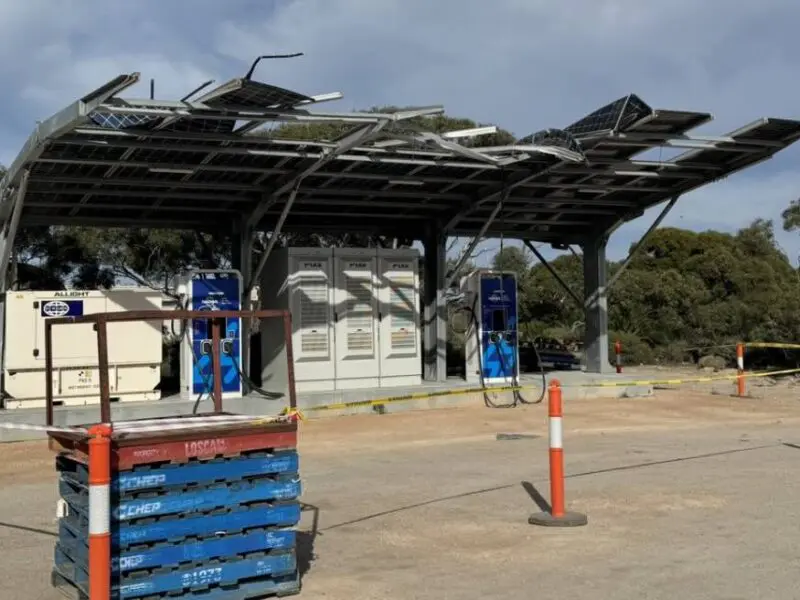
Some countries are integrating charging stations with solar canopies or energy management systems that draw power during off-peak hours, stabilizing the grid and making charging costs more predictable. Wireless charging technology, once a futuristic concept, is entering real-world pilot programs in select urban transport systems, where buses and taxis can recharge simply by positioning over embedded pads.
The Competitive Push Among Automakers
Legacy carmakers are racing to transition their fleets, while new entrants—including startups backed by technology investors—are pushing innovative business models. Traditional gasoline-centric manufacturers have now set clear timelines to phase out internal combustion engines, many pledging full electrification by the early 2030s. Competitors from Asia, Europe, and North America are focusing on their own niches: some prioritize luxury and performance, others affordability and utility.
Interestingly, the boundaries between vehicle manufacturers and technology companies continue to blur. Software-defined vehicles are becoming a central pitch, where over-the-air updates enhance range, performance, and features long after purchase. Integration with personal devices, navigation platforms, and energy management apps highlights how EVs are serving as an interface between mobility and digital ecosystems.
Policy, Incentives, and Market Dynamics
Policy frameworks are playing a pivotal role in EV acceleration. Governments worldwide are expanding tax credits, providing subsidies for home chargers, and establishing low-emission zones in cities. In some major markets, municipal bus and taxi fleets are being electrified at scale, directly influencing public perception and infrastructure investment. Experts note that such coordinated efforts remain essential to ensure equitable access to clean transport and to prevent regional disparities.
Investment in manufacturing capacity is another critical dimension. Gigafactories are being announced at an unprecedented rate, ensuring local economies benefit from the energy transition. This wave of industrial projects, however, is generating challenges around resource management, workforce development, and environmental oversight.
Consumer Shifts and Market Outlook
The global consumer base for EVs has matured rapidly. While early adopters focused on performance and sustainability, today’s buyers prioritize cost of ownership, convenience of charging, and vehicle reliability. With operating costs increasingly undercutting those of combustion vehicles and charging infrastructure reducing range anxiety, consumer confidence is climbing.
Global EV sales are projected to grow substantially in 2024 and beyond. In emerging markets, lower-cost models and the rise of small electric motorcycles and delivery vehicles are contributing to new mobility patterns. Fleets of electric vans and trucks are also expanding, driven by e-commerce and logistics companies seeking to reduce overhead and meet emissions targets.
The Road Ahead: Beyond Vehicles
The rise of the EV sector represents more than an automotive transformation—it is a reimagining of the broader energy and transport ecosystems. Partnerships between automakers and energy providers are leading to smarter grid management, vehicle-to-home (V2H) and vehicle-to-grid (V2G) capabilities, and better integration with renewable sources.
Urban design is another focal point. As cities adapt to quieter, cleaner transport, opportunities emerge to redesign public spaces and reduce congestion. EV fleets for sharing services are complementing public transportation, aligning with goals for net-zero emissions and healthier living environments.
Conclusion
2024 stands as a defining moment for electric mobility. Continuous improvements in battery technology, rapid expansion of charging networks, and supportive policy frameworks are driving momentum unlike any previous decade. The cumulative effect is a transformation across industries—from mining to manufacturing to digital services—all united by the goal of sustainability. While challenges around resource sourcing, affordability, and infrastructure equity remain, the trajectory of electric vehicles suggests an electrified future that is increasingly within reach. The EV landscape is no longer speculative; it is the foundation of modern transportation’s next era.
All EV Sales Research Team
4/24/2026