
 Buy & Sell
 All EV Sales
 Explore
 Account
 Back to News
 The Evolution of Electric Mobility: A Snapshot of Current Developments
Electric vehicles (EVs) are at a pivotal moment in their evolution. From battery innovations to charging infrastructure expansion, the industry is shifting rapidly toward maturity. Examining the latest news across the EV landscape reveals how automakers, suppliers, and governments are strategically investing to make electrification mainstream.
Global Market Growth and Model Expansion
Over the past year, the global EV market has continued its rapid expansion, with record-breaking deliveries reported across major markets such as China, the United States, and Europe. Several manufacturers have announced new vehicle platforms that cater to specific segments — from budget-conscious entry-level buyers to premium consumers seeking high performance and advanced features.
Chinese automakers, in particular, are strengthening their position as world leaders in EV production and export. Companies are increasingly targeting Europe and other overseas markets with highly competitive pricing, long-range vehicles, and sophisticated software systems. Western automakers, responding to this influx, have accelerated their own product roadmaps.
In North America, the EV pickup truck market continues to heat up. Multiple models are entering production, reflecting strong demand from both consumers and commercial fleets. The electrification of delivery vans and long-haul trucks is also progressing as battery energy density improves and total cost of ownership calculations become more favorable.
Battery Innovation and Supply Chain Developments
Battery technology remains the heartbeat of the EV sector. Recent headlines often highlight breakthroughs in solid-state battery research and innovations in lithium-iron-phosphate (LFP) chemistries, both of which promise to reshape production economics and safety standards. Major chemical and battery manufacturers are investing billions in new plants across the U.S., Europe, and Asia to secure future demand and minimize supply-chain vulnerabilities.
The push for vertical integration has become a defining feature of top automakers’ strategies. By controlling their supply of raw materials such as lithium, nickel, and cobalt, companies aim to reduce price volatility. Meanwhile, recycling initiatives are gaining traction to recover valuable metals from end-of-life batteries, mitigating environmental impacts and addressing concerns over resource scarcity.
Charging Infrastructure and Grid Modernization
Charging accessibility is growing at an unprecedented pace, supported by both private investment and government funding. Fast-charging networks in the U.S. and Europe have expanded significantly, with new stations strategically placed along major highways and urban centers. Interoperability initiatives are also benefiting drivers, as the industry gravitates toward a unified charging standard that simplifies access for all EV owners.
Energy utilities and tech startups are collaborating to balance increased electricity demand with grid stability. Smart charging and vehicle-to-grid (V2G) technologies are being tested to allow EVs to act as distributed energy storage during peak hours. These innovations could ultimately transform EVs into mobile energy assets rather than mere transportation devices.
Policy and Regulation
Government initiatives remain key in driving adoption. In multiple regions, updated emissions targets and tax incentives are reshaping automaker priorities. Some countries are solidifying their phase-out timelines for internal combustion engines, while others are introducing domestic battery manufacturing subsidies to strengthen local industries.
These policies, however, also introduce new challenges. Compliance costs for automakers are rising, and questions around critical mineral sourcing are sparking geopolitical discussions. Nonetheless, public-private collaborations continue to advance infrastructure deployment and ensure energy transition goals remain on track.
Consumer Experience and Software Integration
The latest EV releases showcase how digitalization is redefining the driving experience. Over-the-air software updates, integrated infotainment systems, and AI-driven energy management are becoming standard features. Automakers are increasingly positioning their EVs not only as vehicles but as connected lifestyle hubs.
User feedback is influencing product design in real time. Subscription models for advanced driver-assistance features and data-driven maintenance schedules are creating new revenue streams for brands. This shift emphasizes a broader theme: EVs are as much about intelligent ecosystems as they are about sustainable propulsion.
The Road Ahead
Despite ongoing debates over charging infrastructure gaps and supply-chain risks, the momentum behind EVs appears unstoppable. The industry’s focus is increasingly holistic — combining environmental responsibility with economic opportunity and technological innovation. As global EV adoption surpasses milestones once thought distant, it becomes clear that electrification is not merely a trend but a fundamental restructuring of transportation.
The collective news within the current feed paints an optimistic yet pragmatic portrait of where electric mobility is heading. Continued collaboration among automakers, technology firms, energy providers, and policymakers will be essential to sustaining this growth. Ultimately, the transformation underway signals not just the future of vehicles, but the future of energy, sustainability, and the way we move through the world.
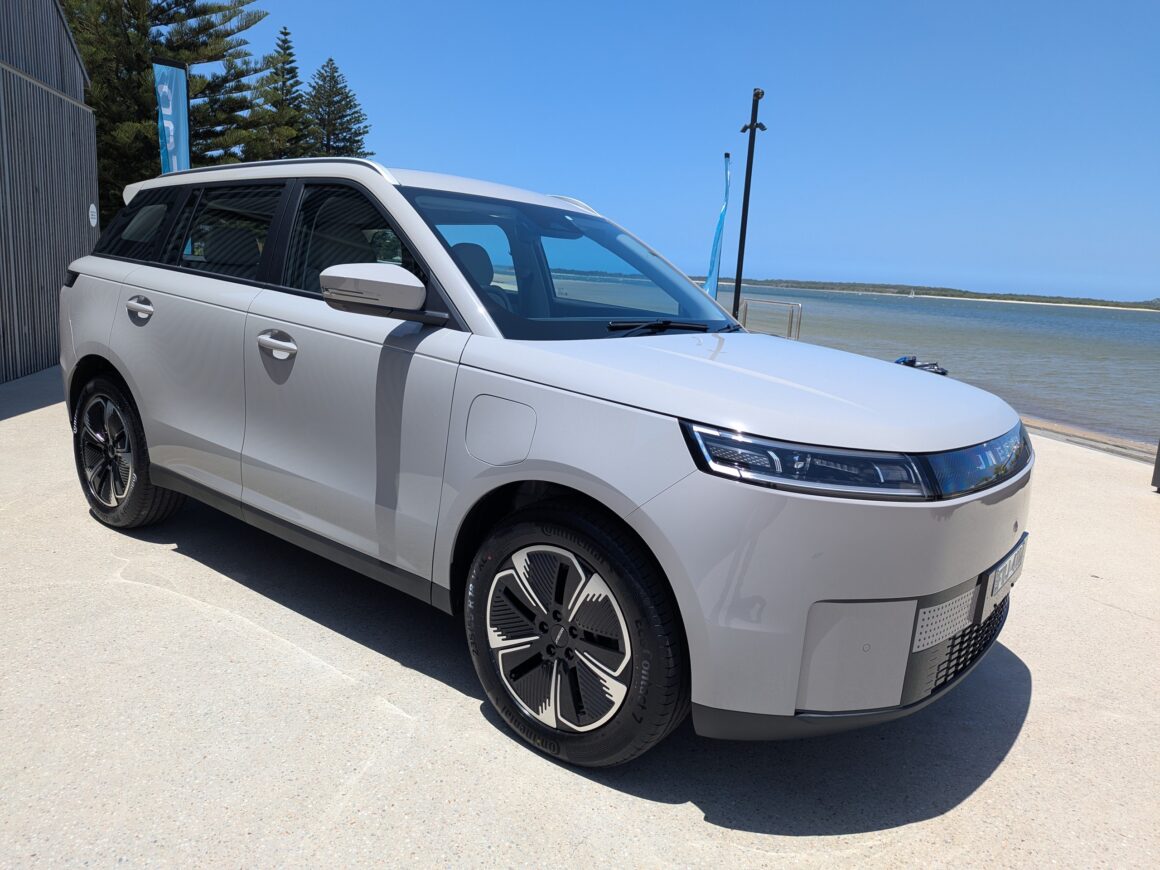
Image courtesy of Electrek
All EV Sales Research Team
5/3/2026